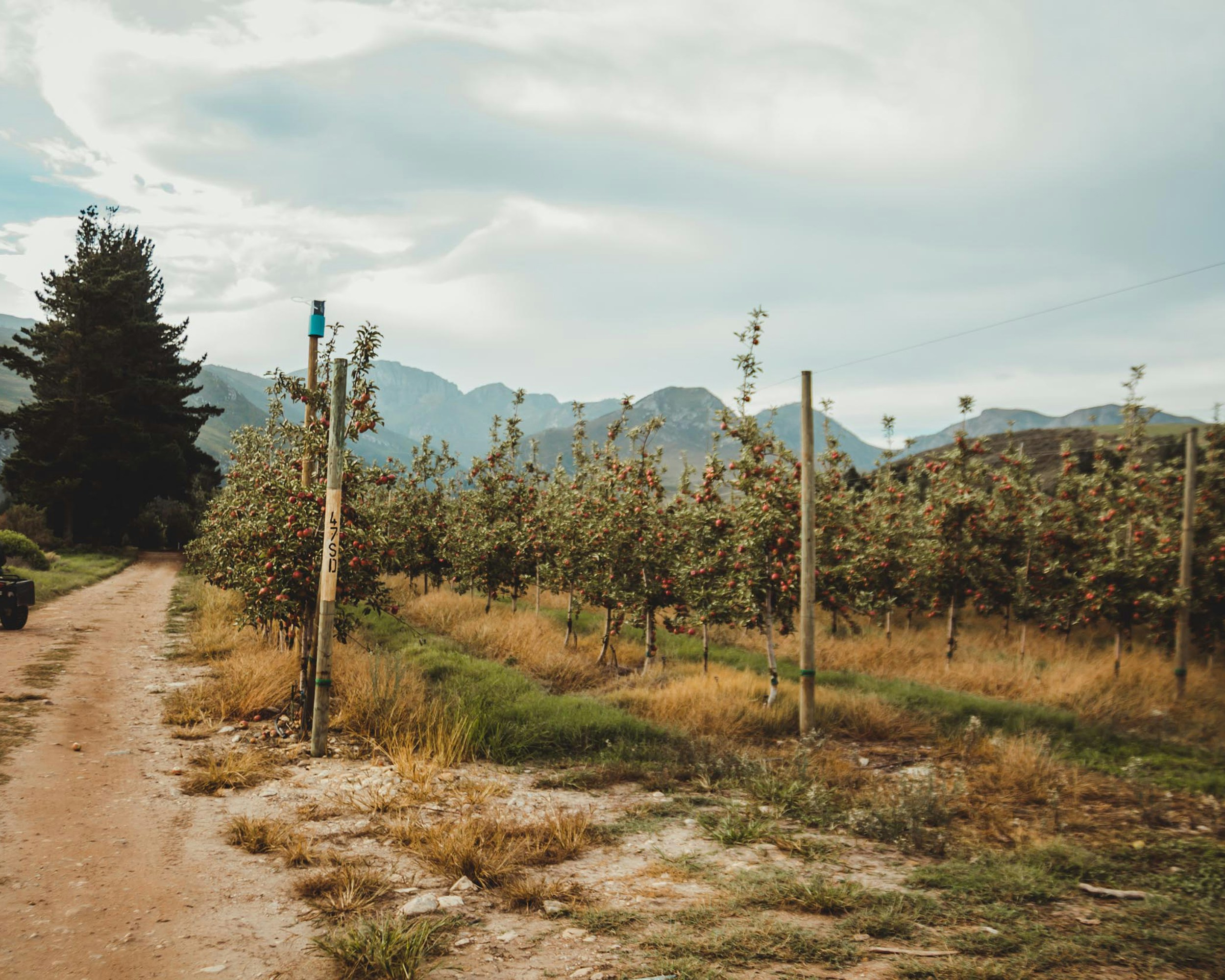
Grown slow, picked by hand, stained fingers guaranteed.
Three generations in the same clay-red soil. Bing, Rainier, and Lapins cherries — sold direct to U-pick families every Saturday and wholesale to the restaurants and jam producers who care where their fruit comes from.
Acres
of clay-red orchard land
Est.
three generations farming
Varieties
from Bing to Rainier
Weeks
peak harvest window
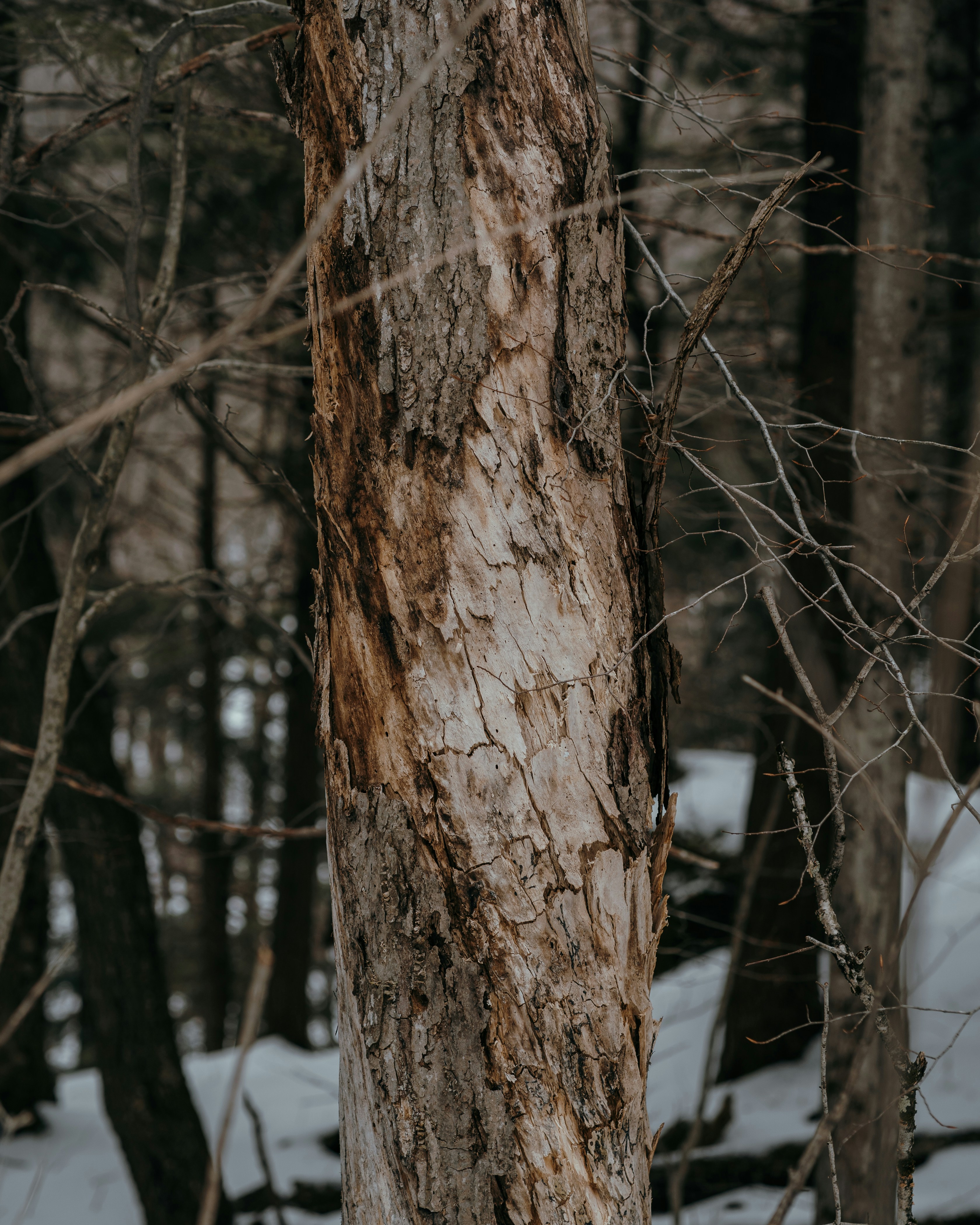
The Pruning.
Every cut is a promise.
January through March, when the ground is cold and the trees are dormant, we go in with hand saws and loppers. Not because it looks tidy — because the fruit that forms next summer depends on the light and air we make room for now.
We remove roughly a third of each tree's wood each year. The branches that cross, that shade each other, that are too old to produce dense clusters — they come out. What looks like loss is actually selection.
Pruning cuts are sealed with a natural wound paste to prevent fungal entry. Each tree takes 20–40 minutes. We do this by hand across all 38 acres.
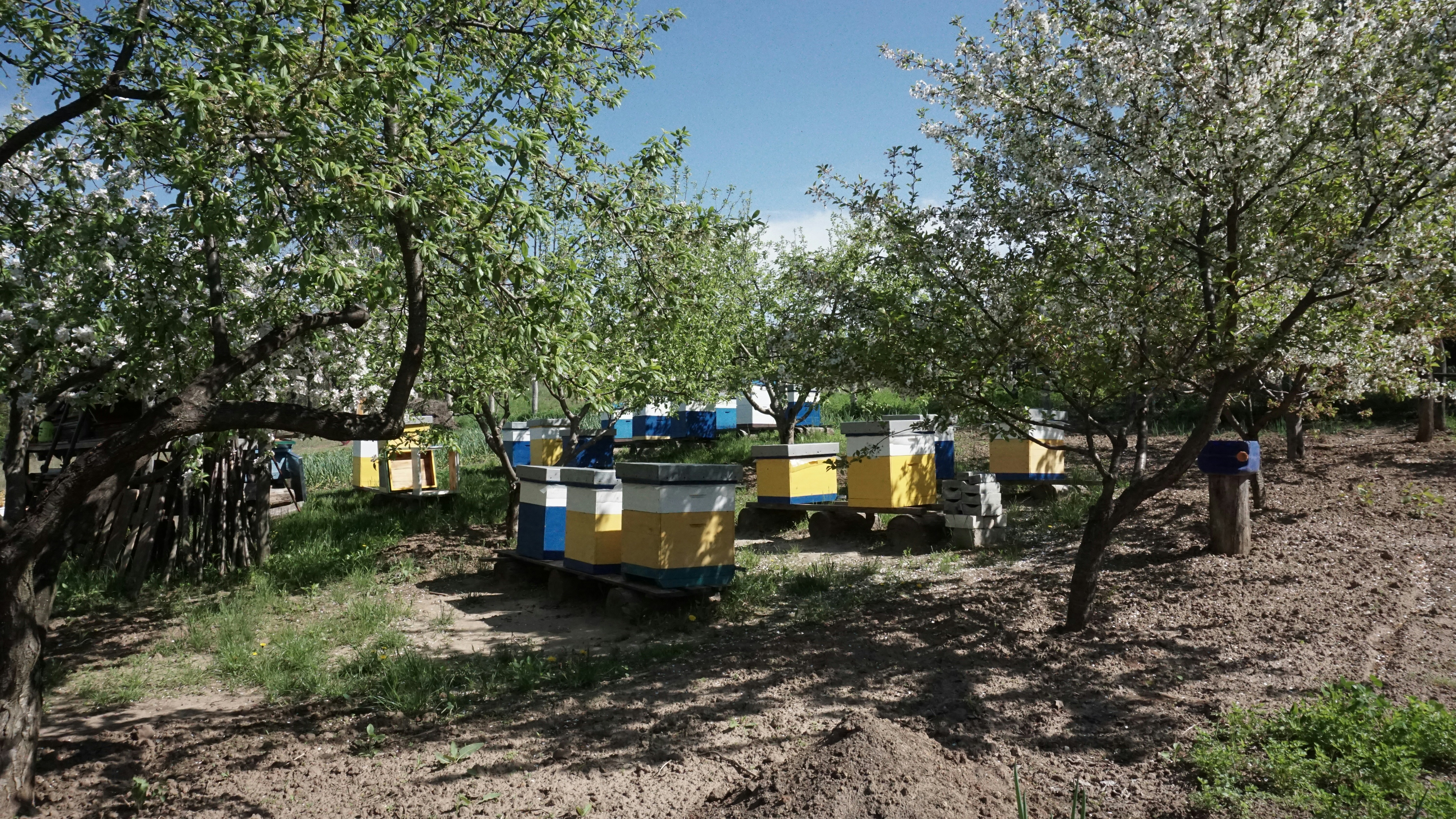
The Bloom.
Ten days to get it right.
Mid-April, the canopy turns white almost overnight. It lasts about ten days. In that window, we bring in two hundred hives from a local beekeeper — Rainier cherries especially need cross-pollination, and the bees are the only way to get it done at scale.
We watch the weather obsessively. A late frost during bloom can cut the crop by half. We've lost seasons that way. We've also had years where everything aligned and the trees set so heavily the branches needed propping.
We use no systemic pesticides during bloom. The hive rental runs through petal fall — usually early May. After that, beneficial insect habitat plantings around the orchard edges take over.
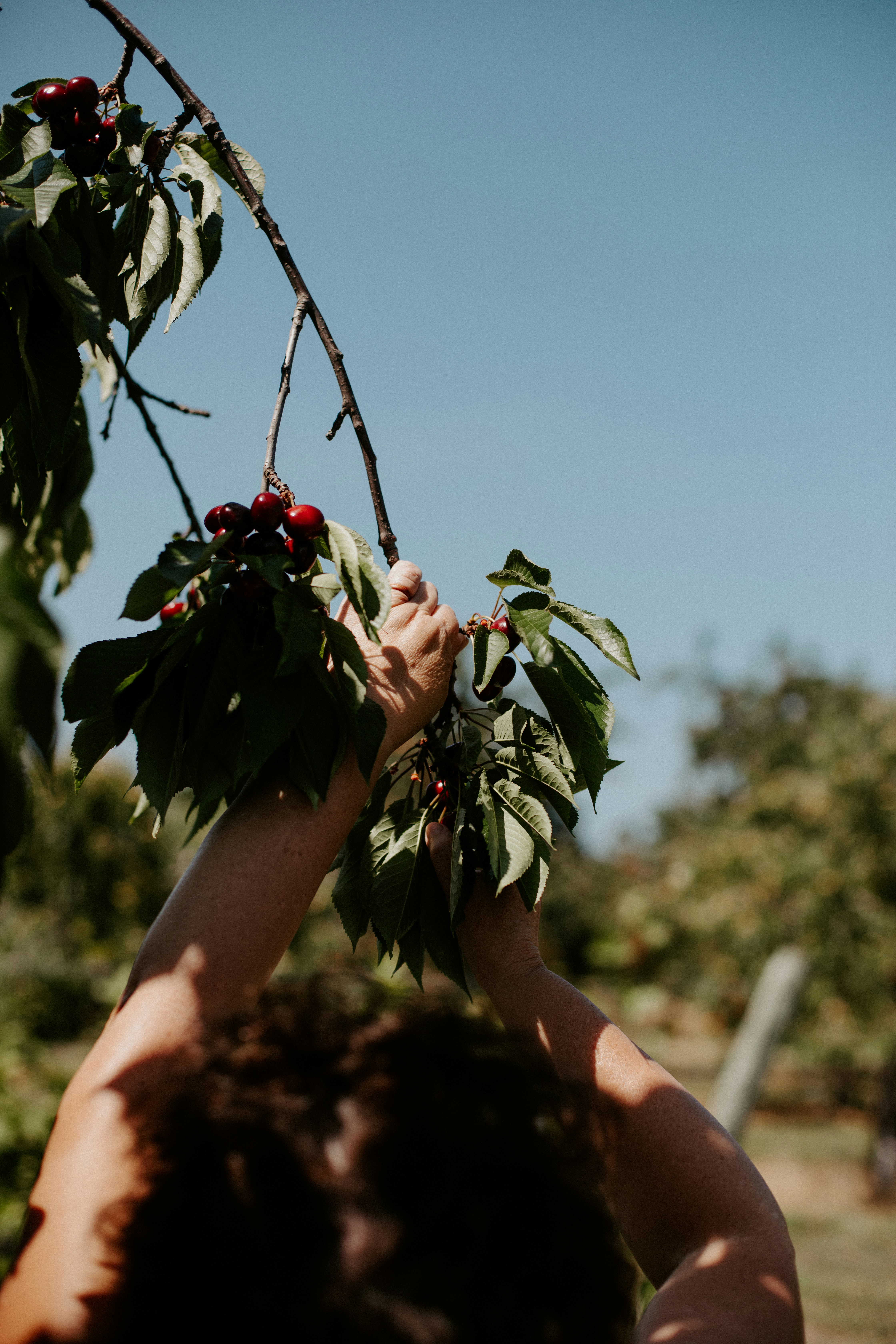
The Harvest.
Dark and heavy, right on time.
By late June the Bings are ready — you can tell by color and by the slight give when you press. We pick in the early morning when the fruit is still cool. Cherries bruise easily; warm fruit bruises faster. Every picker works a single row section and is responsible for what they leave behind.
The netting goes up in May against starlings. It's unglamorous work — miles of it, draped by hand over the canopy. But a flock of starlings can strip a row in an afternoon, and we've learned not to gamble on it.
After picking, fruit goes into cold storage at 32°F within two hours. This stops the respiration process and preserves texture. Wholesale orders are packed and dispatched within 36 hours of picking.
The Soil.
The work nobody sees.
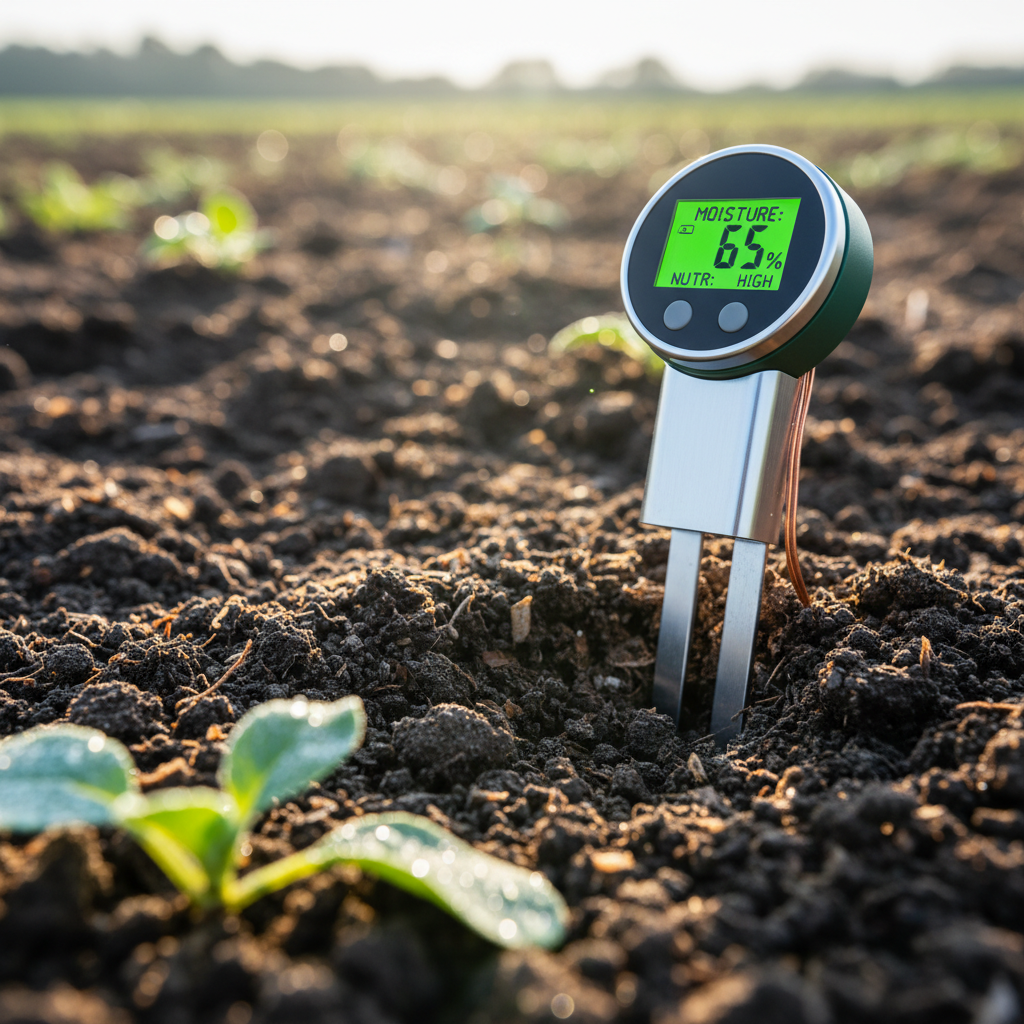
After the last pick, we disc the fallen fruit and leaf litter back into the rows. This returns organic matter to a soil that has been giving all season. We also pull soil samples from twelve points across the orchard and send them to the county extension lab.
The results tell us where calcium is low (we add gypsum), where pH is drifting (lime or sulfur), where compaction from harvest equipment needs addressing (deep-tine aeration). The trees can't tell you what they need in words — the soil tests do.
We've been building organic matter in this soil since 1987. The clay base holds water well but needs careful management to avoid waterlogging in wet winters. Tile drainage was installed in the low-lying sections in 2009.
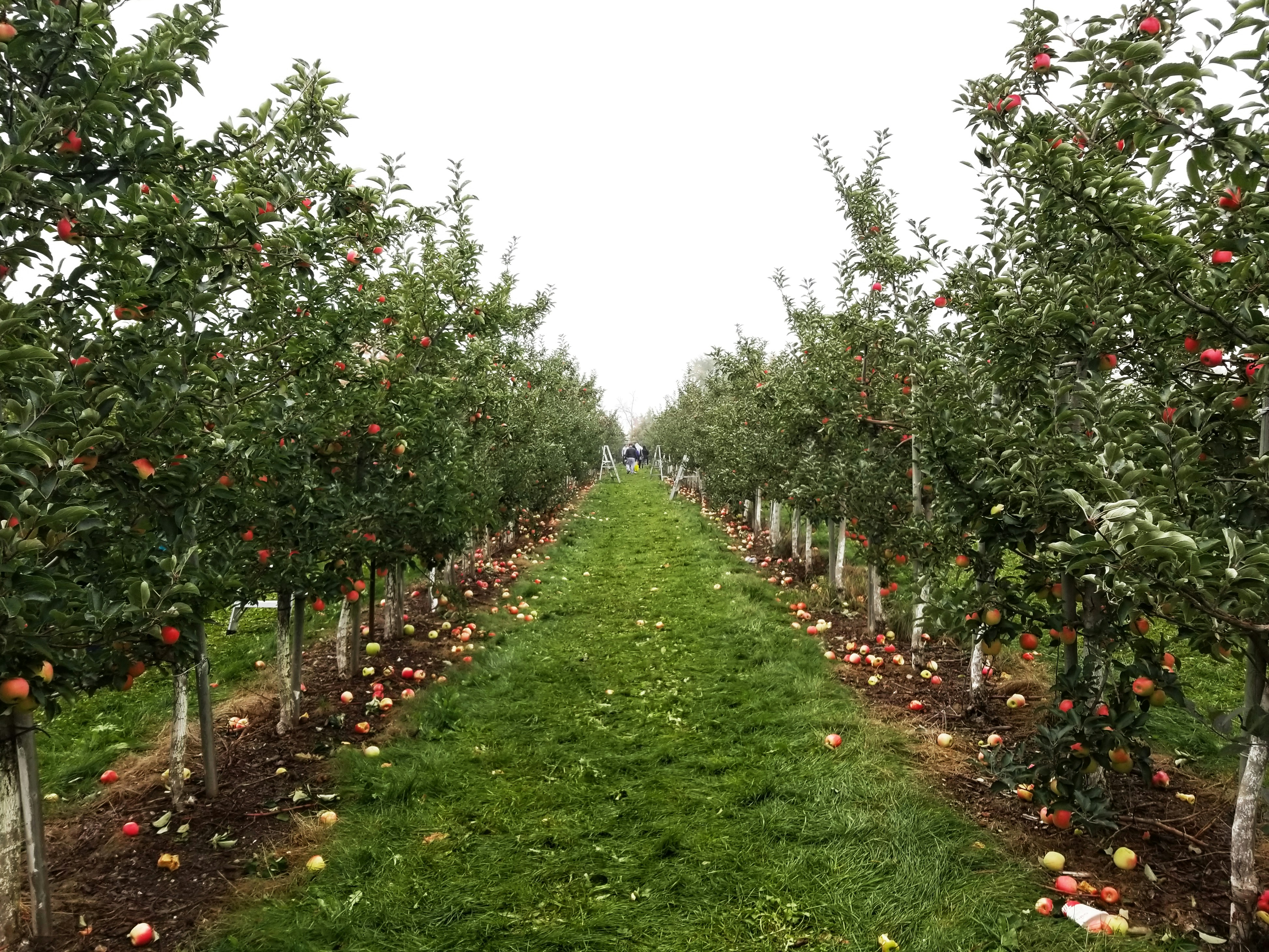
You've seen how it's grown. Now taste it.
Saturdays, 7am to noon. Bring your own buckets or borrow ours. Kids in rubber boots, dogs on leashes, grandparents who remember what cherries used to taste like — all welcome.
How do you want your cherries?

Come on a Saturday.
Bring rubber boots.
Pick your own from the rows, weigh out at the barn, and drive home with more than you planned on buying. Kids climb the ladders. You eat more than you pick. That's the point.
- Open Saturdays, 7am to noon, June through August
- Buckets provided or bring your own
- Priced by the pound at the barn scale
- Dogs on leash, children encouraged
- No reservation required for groups under 8

Order by Wednesday.
Packed by Friday.
We work directly with regional jam producers, farm-to-table restaurants, and grocery buyers who want to know the orchard by name. No broker. No cold-chain mystery. You know when it was picked.
- Bing, Rainier, Lapins, and Sweetheart available by variety
- Minimum order: 20 lbs per variety
- Cold-stored and dispatched within 36 hours of picking
- Harvest calendar shared weekly during season
- Direct contact with the grower, not a sales rep